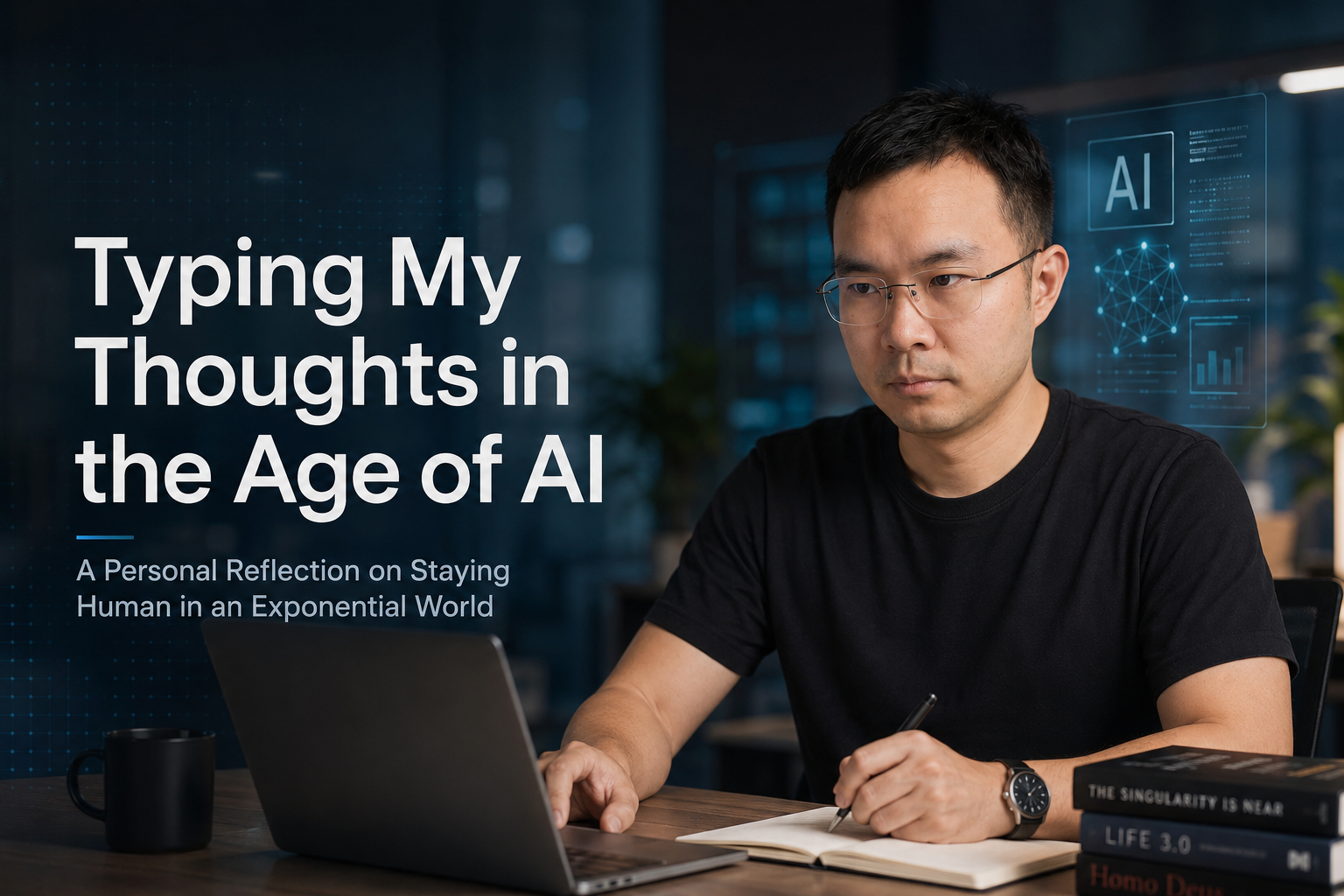
While I am typing this article, AI continues to improve, evolve, and transform at a speed that sometimes feels impossible to catch.
The pace of change is no longer something we experience every few years. It is happening continuously. New models, new tools, and new breakthroughs appear so quickly that even people working in the technology industry sometimes feel challenged to keep up.
And that is exactly why I wanted to write this.
It is a Merdeka holiday weekend, and instead of simply relaxing or endlessly scrolling through social media, I suddenly had the urge to sit down and write my thoughts.
Of course, I am writing this in the age of AI.
Everything you are reading here comes from me spending time thinking, organizing my thoughts, and manually typing them out.
Could I have done this differently?
Of course.
I could simply provide AI with some bullet points, ask it to expand my ideas, polish the sentences, and generate a complete article within seconds.
Technically, that would be faster.
But I intentionally chose not to do that.
I still want to experience the process of thinking, writing, and expressing my own perspective.
Because I believe writing is not only about producing content.
Writing is also a way of training our brain.
If we keep outsourcing every thought, every sentence, and every idea to AI, there is a possibility that our own ability to think deeply and communicate clearly will slowly weaken.
AI should become an extension of our capability, not a replacement for our ability to think.
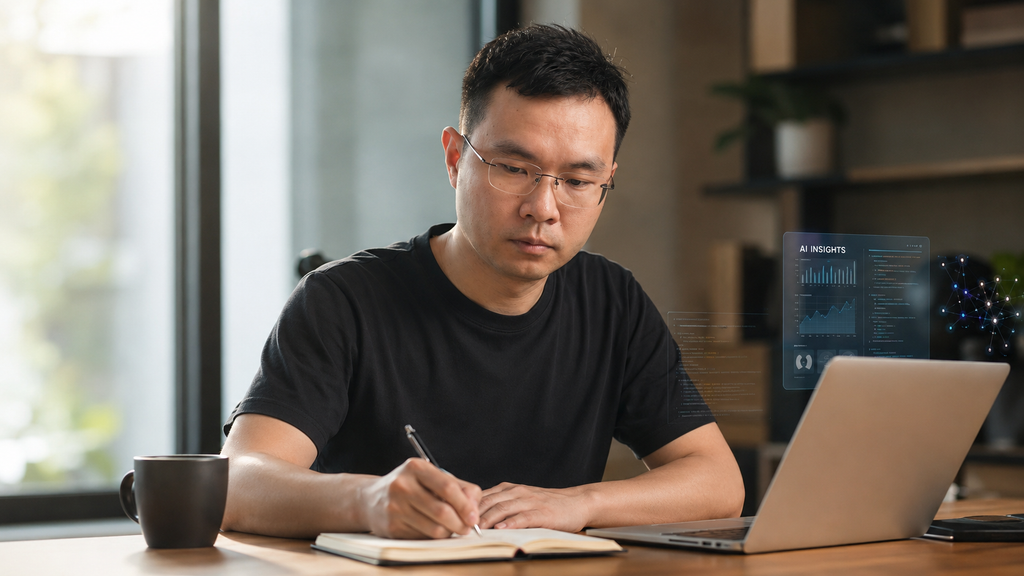
The Difference Between AI Consumers and AI Creators
Most people today are consumers.
We consume news, videos, social media posts, articles, and entertainment every single day.
Now, we are also consuming AI-generated content.
There is nothing wrong with consuming content. It is how we learn, discover, and stay informed.
However, I believe we are slowly seeing a gap forming between two groups of people.
The first group uses AI mainly as a consumer.
They ask AI questions, generate images, summarize information, and use it when needed.
The second group uses AI as a creator.
They experiment with AI, build workflows, create new solutions, and explore what is possible.
The difference between these two groups will become more obvious over time.
I understand the attraction of simply consuming content.
The endless scrolling, the short videos, and the constant stream of information provide instant dopamine.
But personally, I want to continue making myself uncomfortable.
I want to continue squeezing my own brain to organize thoughts and express ideas.
Because the ability to think and create is something I do not want to lose.
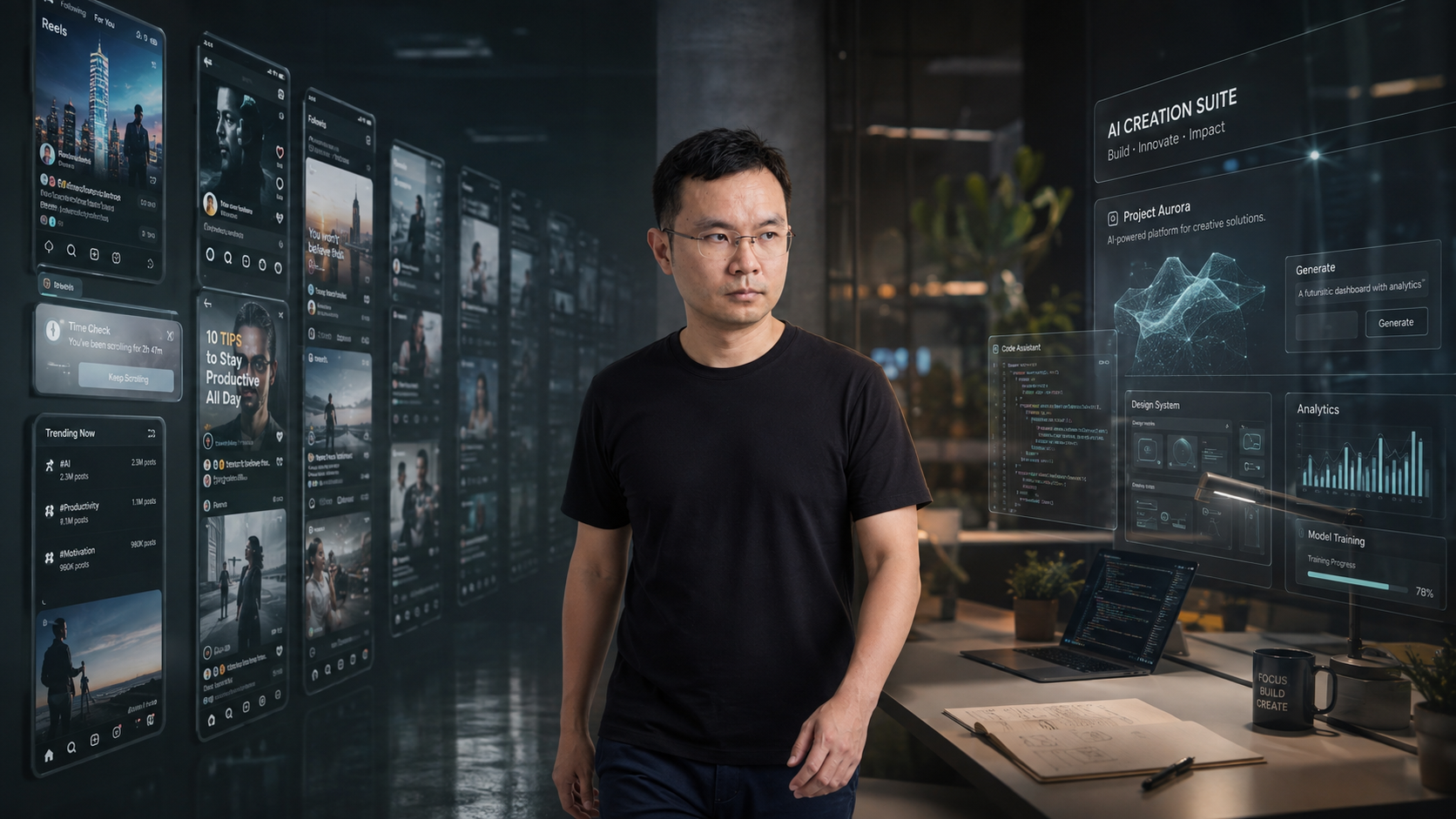
AI-Generated Content Is Already Everywhere
AI-generated content is no longer something from the future.
It is already here.
We see AI-generated images, banners, designs, and social media posts everywhere.
Sometimes, it is easy to recognize.
The similar visual styles, repeated layouts, familiar fonts, and certain design patterns make many AI-generated creations feel recognizable.
This is not necessarily a bad thing.
It is simply a sign that AI has entered mainstream adoption.
Whether people love AI or dislike AI, this transformation will continue.
The AI era is coming regardless of whether we are ready.
The only question is how we choose to participate.
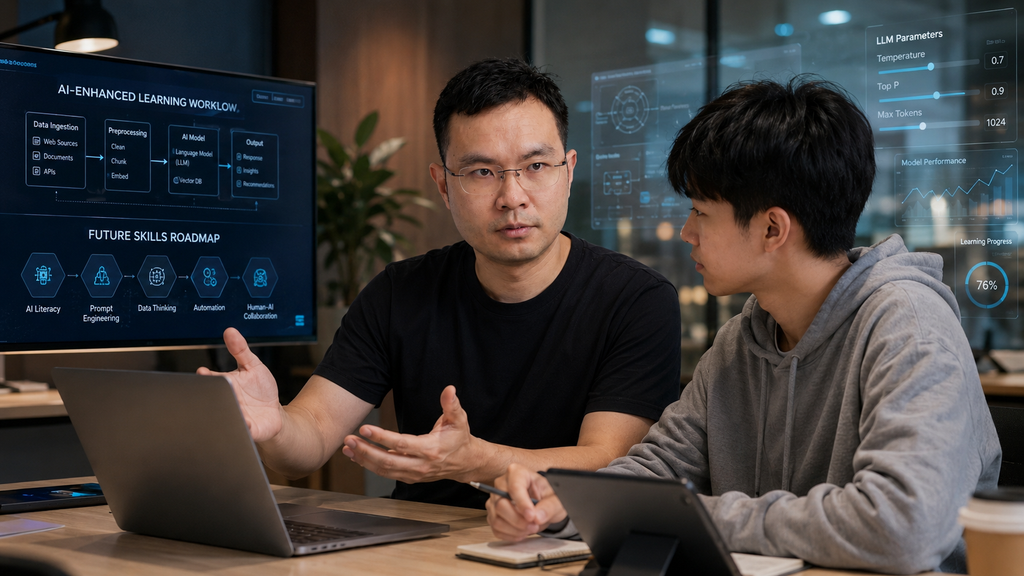
A Question From a Father That Made Me Think About the Future
One moment that stayed in my mind happened during one of my AI sharing sessions.
I was sharing about how AI can help create websites within minutes.
After the session, a father approached me and asked:
“What course should I recommend to my daughter? She is almost finishing SPM.”
It was a simple question, but it caught my attention.
I do not often receive this type of question before.
My answer was straightforward.
Whatever course she chooses, understanding AI should become part of her learning journey.
Not because AI will replace everything.
But because the future workforce will expect people to know how to work together with AI.
I actually appreciated that father for thinking about this early.
At around 17 years old, his daughter is standing at the beginning of her career journey.
The decisions made today may influence how prepared she will be when entering a workforce that will look very different from today.
AI literacy may eventually become as fundamental as computer literacy.
Skills, Adaptability, and the Changing Meaning of Talent
There has been a lot of discussion about whether traditional degrees are becoming less relevant.
I believe the answer is more complicated.
Education still matters.
Academic foundations still provide value.
However, from my observation working in the technology industry, qualifications alone are no longer enough.
The workforce is increasingly looking for people who can demonstrate:
- Practical skills
- Problem-solving ability
- Communication
- Creativity
- Adaptability
- The ability to continuously learn
The people who succeed in the future may not necessarily be those who know the most today.
They may be the ones who can learn the fastest tomorrow.
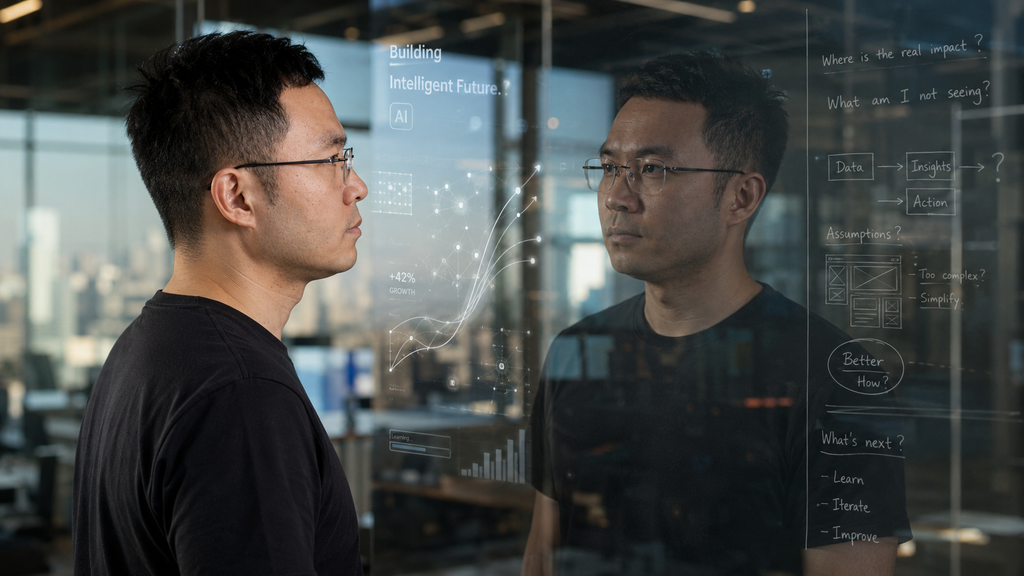
AI Is the Magic Mirror of Human Capability
One analogy about AI that I really like is this:
AI is a magic mirror.
It reflects and magnifies who we already are.
If someone has strong knowledge, creativity, and experience, AI can amplify those abilities.
It can help them explore more ideas, work more efficiently, and create better outcomes.
But AI can also expose weaknesses.
It can reveal gaps in knowledge, poor thinking processes, lack of creativity, or inability to evaluate information critically.
AI does not magically create capability.
Instead, it amplifies existing capability.
That is why I believe the AI era is not only about learning new tools.
It is also about understanding ourselves better.
The AI Gap Is Growing Faster Than We Realize
Since ChatGPT became mainstream in November 2022, we have witnessed a significant shift.
The gap between people who actively experiment with AI and those who choose to ignore it is becoming wider.
Some people are already integrating AI into their daily workflows.
They are using AI agents, automation, and advanced tools to improve how they work.
Others are still waiting, thinking that AI will not affect them.
Meanwhile, another group is already preparing for the next wave.
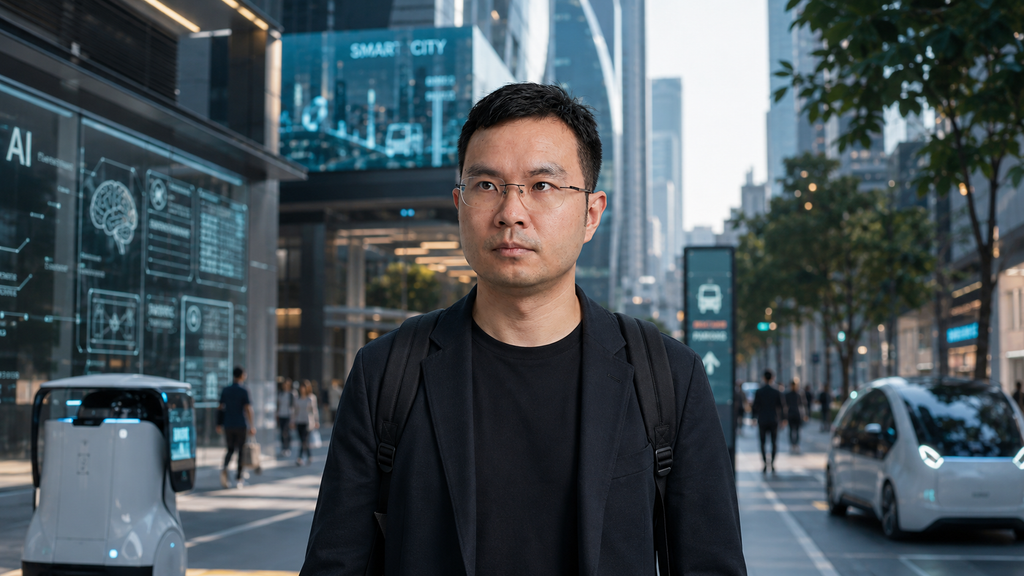
AI robotics, humanoid technology, AI-powered hardware, and intelligent devices are becoming the next frontier.
The future of AI will not only exist on our screens.
It will exist in the physical world around us.
The AI-First Mindset Is About Curiosity, Not Age
One thing I have learned during this transition is that AI adoption is not really about age.
It is about mindset.
In my current working environment, I have seen colleagues older than me actively experimenting with AI.
Some of them are already exploring advanced topics like AI agents and subagents.
Their advantage is not because they know everything.
Their advantage is because they remain curious.
They continue learning.
They continue asking questions.
They continue experimenting.
In a world where technology changes exponentially, lifelong learning is no longer just a nice quality.
It is a survival skill.
The Reality We Need to Accept: AI Will Replace Some Tasks and Jobs
This is probably the statement many people do not want to hear.
But avoiding the discussion will not help us prepare.
AI will replace certain tasks.
AI will automate certain workflows.
And eventually, some roles will change significantly.
At the same time, new opportunities will appear.
The future workforce will likely become more focused on areas where human judgment, creativity, empathy, and decision-making remain important.
Humans may increasingly become the final decision-makers in the loop.
Reviewing, approving, questioning, and guiding AI systems.
The question is not whether AI will change our jobs.
The question is whether we are preparing ourselves for those changes.
Staying Human When AI Can Do More
One concern many people have is that AI may reduce our critical thinking ability.
I think this concern is valid.
AI can become a shortcut.
It is almost like a cheat code in a game.
It helps us reach the destination faster.
But if we rely on it blindly, we may skip the process of learning, struggling, and developing our own capability.
The real skill is not simply knowing how to ask AI for an answer.
The real skill is knowing how to question, evaluate, and apply that answer.
Because sometimes, we do not know what we do not know.
AI is already creating solutions and possibilities that many people may not even realize exist.

AI Should Help Us Achieve More, Not Just Work Faster
The AI journey can sometimes feel exhausting.
There are always new tools to learn, new updates to understand, and new possibilities to explore.
But the reward becomes meaningful when AI creates genuine improvement.
I always remind myself:
AI should not only help me complete tasks faster.
Speed is only the first milestone.
The bigger goal is using AI to discover better workflows, create innovative solutions, and achieve things that were previously difficult or impossible.
Because at the end of the day, technology itself is not the destination.
The real destination is what humans can achieve when we combine our creativity, curiosity, and judgment with powerful tools.
And in this exponential AI era, perhaps the most valuable skill we can protect is still the most human one:
The ability to think.